The American consumer economy isn’t breaking down all at once, it’s happening quietly.
At the drive-throughs that are a little less busy, the gym memberships that are getting cancelled, and the credit card balances that are creeping higher month after month.
CEOs across retail, restaurants, and consumer goods are noticing, and they’re starting to talk.
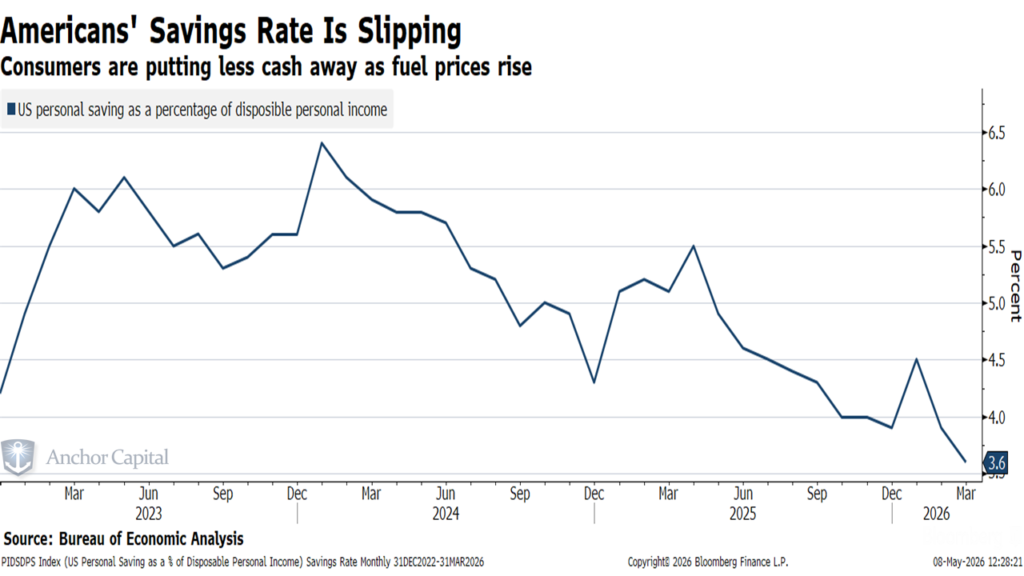
Many lower-income households are now running negative monthly cash flow, with savings built up during the pandemic nearly gone. Credit is filling the gap, but that has limits.
Gasoline is the pressure point nobody’s talking about enough. When fuel costs rise, they don’t just hit the pump, they quietly strangle every other spending decision a household makes.
Groceries. Dining out. New clothes. All cut back.
The higher-income consumer is still spending, but for everyone else it’s a different story entirely.
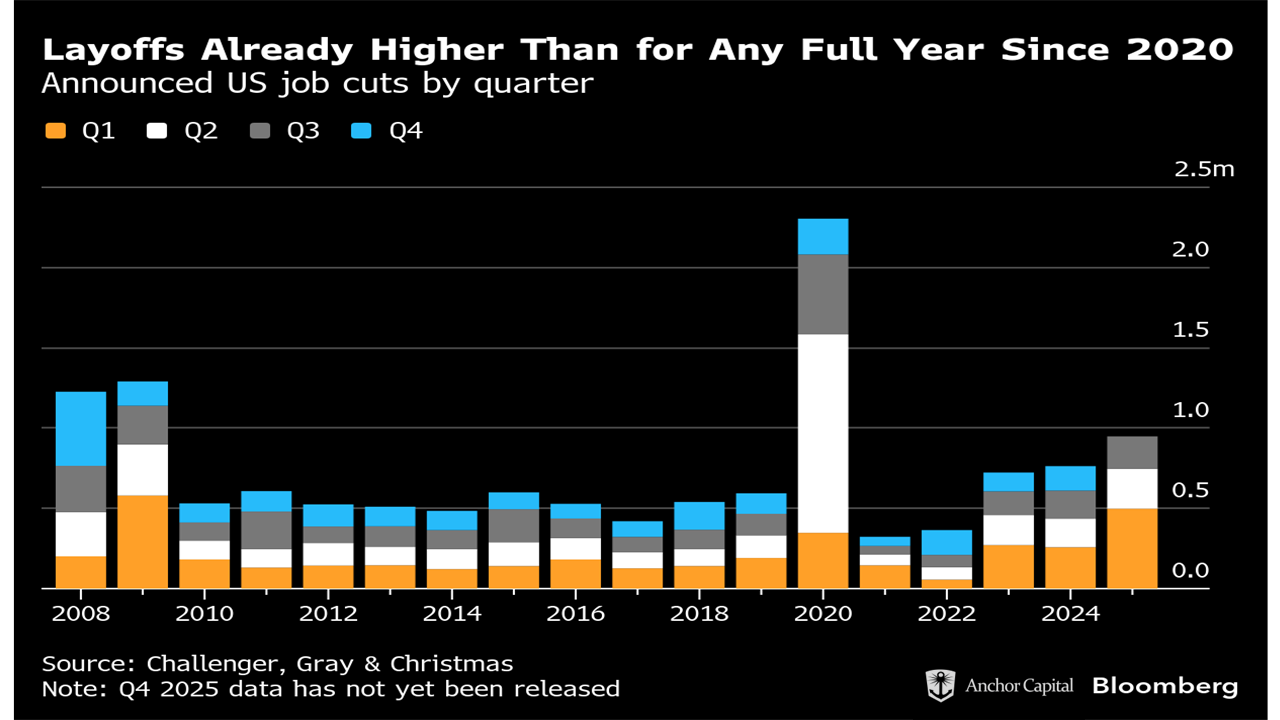
Some sectors are reporting demand declines that are drawing uncomfortable comparisons to previous downturns. Younger consumers, already navigating high unemployment and student debt, are particularly exposed.
The concerning part is that the savings buffer is nearly gone. Consumers have been spending down their cushion to maintain the appearance of normalcy. When that cushion runs out, spending doesn’t plateau, it drops.
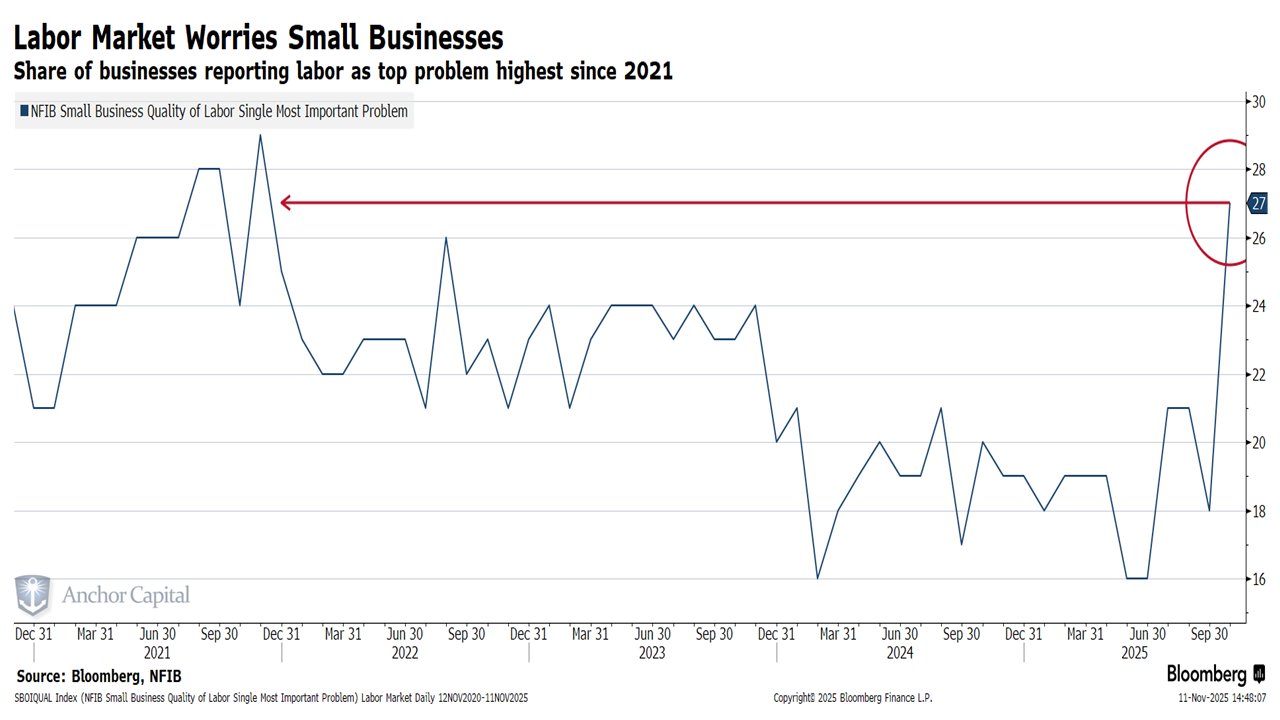
Businesses already sense it. Many have quietly stopped raising prices because they’re afraid their customers simply can’t absorb any more. The question isn’t whether the consumer is under pressure. It’s how much runway is left.