In the U.S. markets, the historical pattern around geopolitical-driven selloffs has been pretty predictable. They’re usually temporary.
Stocks wobble, fear spikes, and disciplined investors who buy the chaos tend to be rewarded.
But the Iran conflict is testing that playbook, and oil is the wildcard.
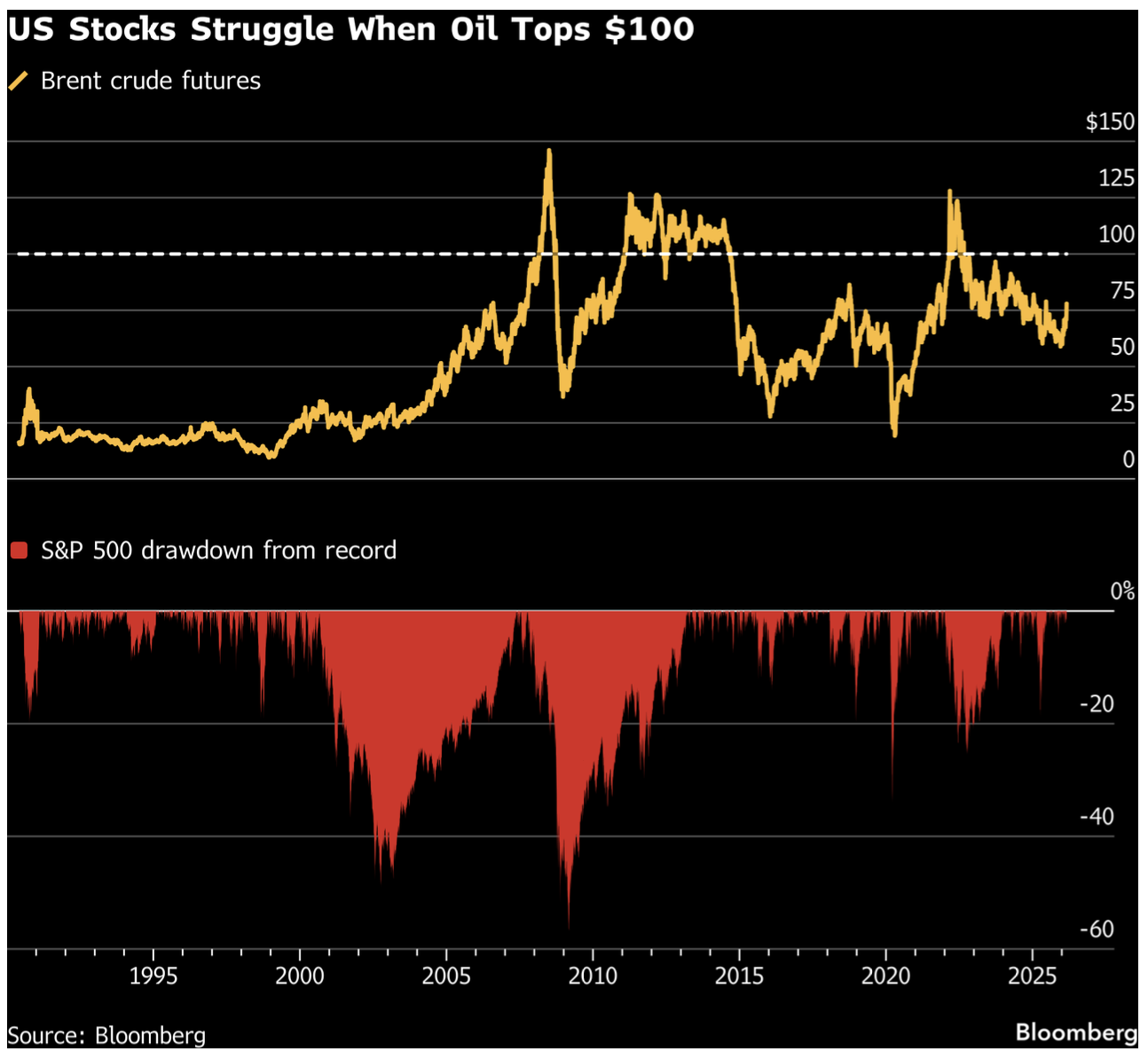
Historically, oil above $100 per barrel has been associated with negative forward returns for the S&P 500. It’s not a soft headwind; it’s the threshold where energy costs start impacting consumer spending, reigniting inflation, and pushing interest rates higher.
All three, simultaneously.
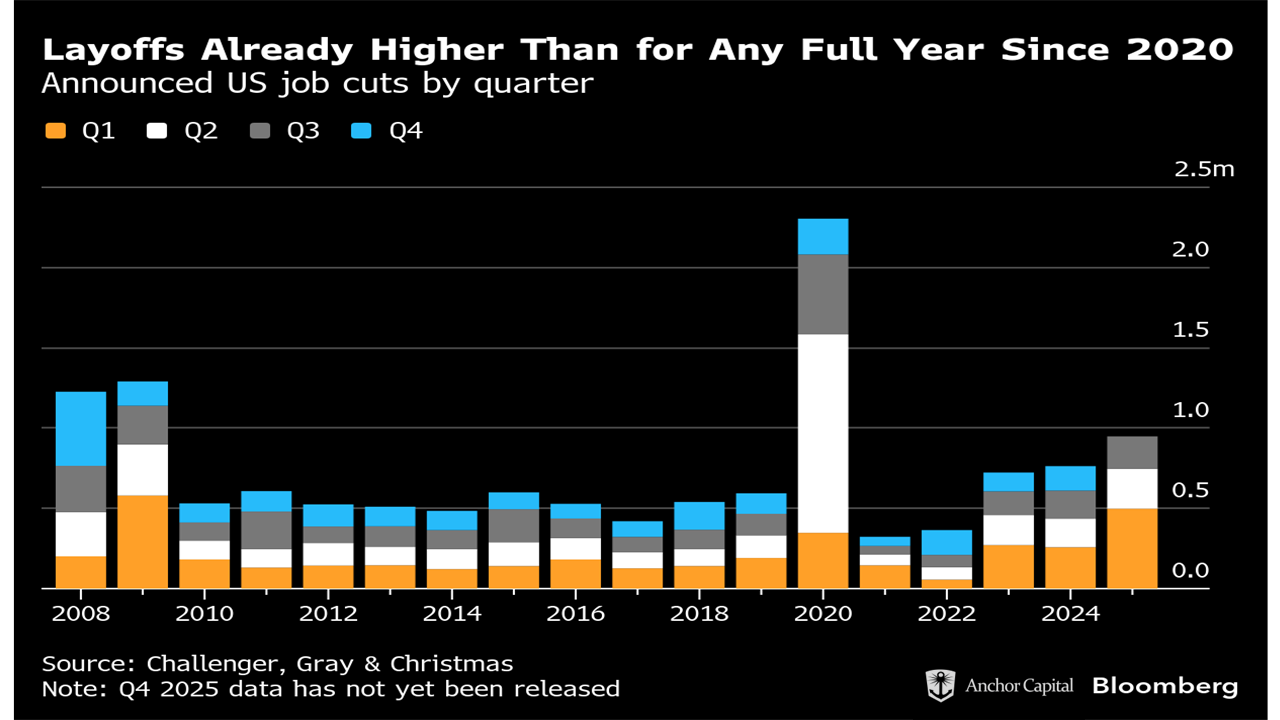
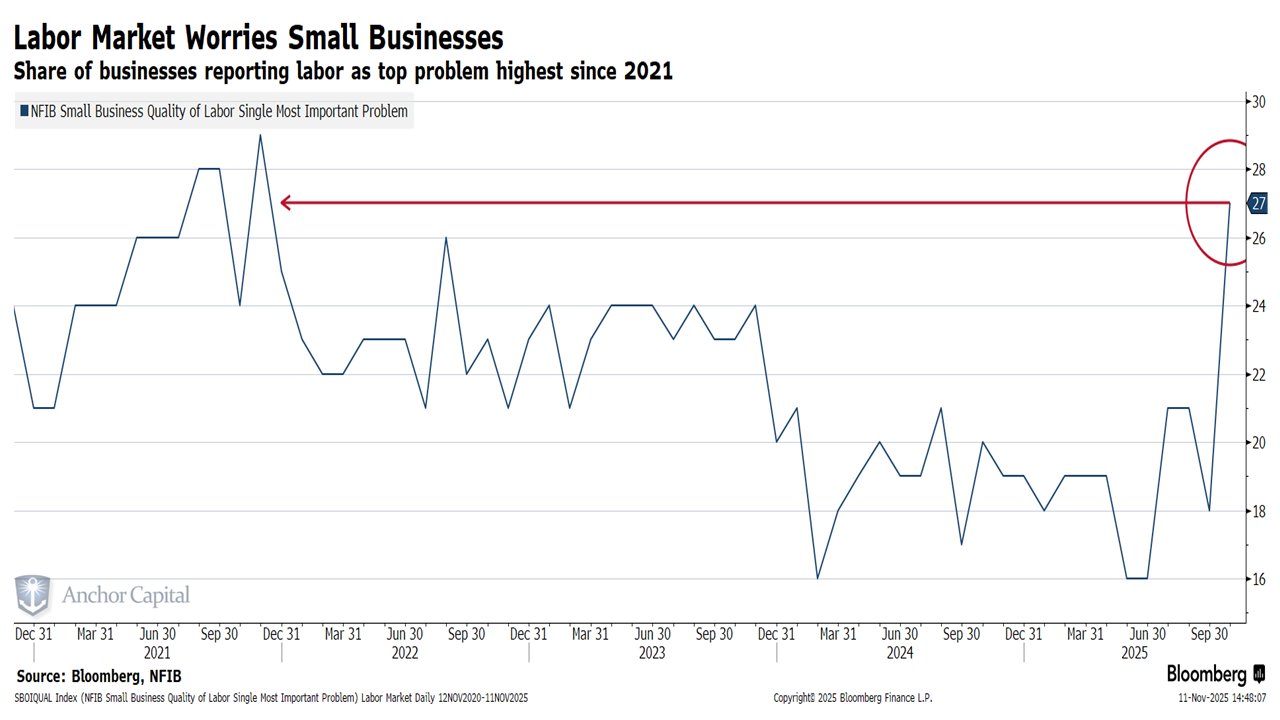
Markets were already fragile before Iran. AI-related disruptions and tightening credit conditions had investors on edge before this month. A sustained move toward $100 oil doesn’t just add pressure, it changes the calculus for rate expectations, valuations, and economic momentum at once.
And the tail risk? A prolonged closure of the Strait of Hormuz. Twenty percent of global oil flows through that chokepoint. A sustained disruption there would be a supply shock unlike anything markets have priced in.